Bud Industries

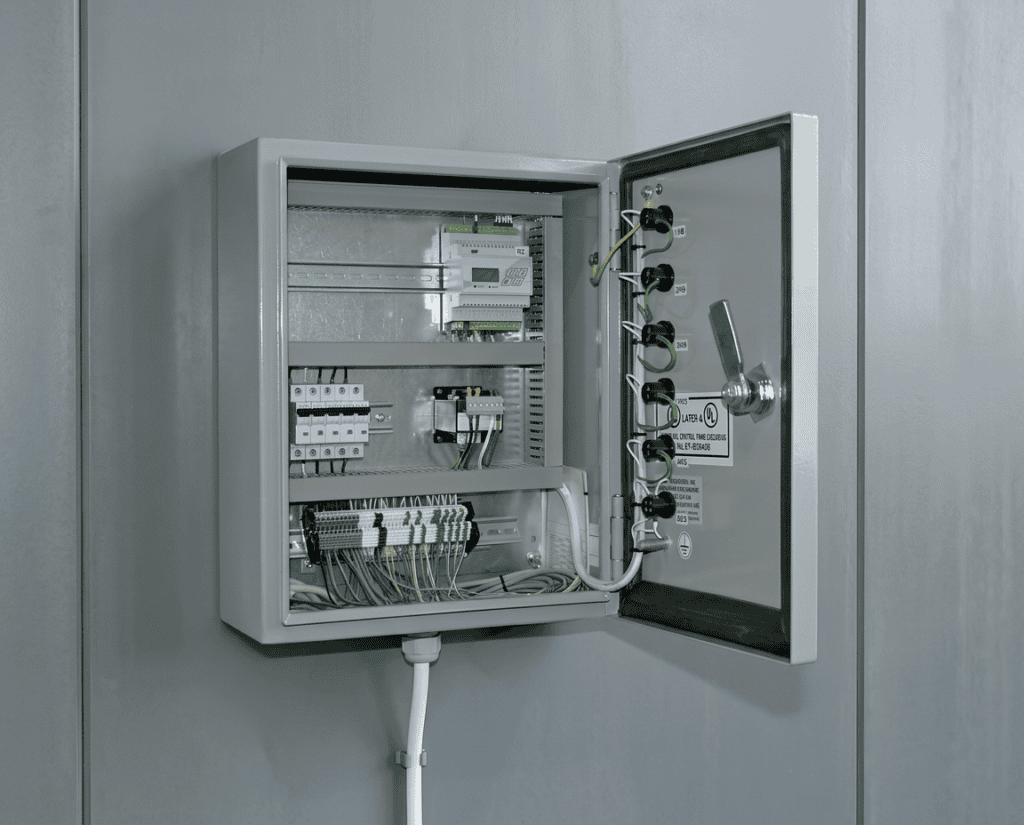
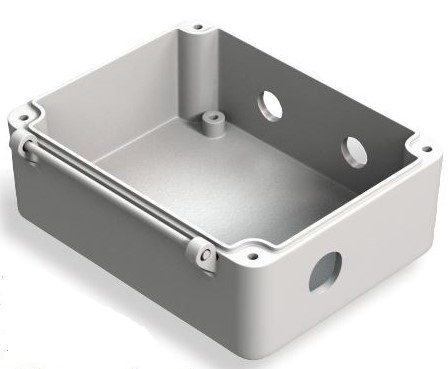
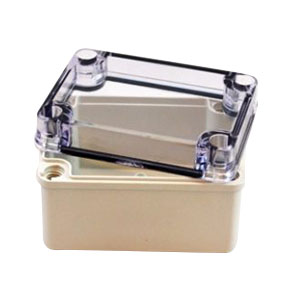
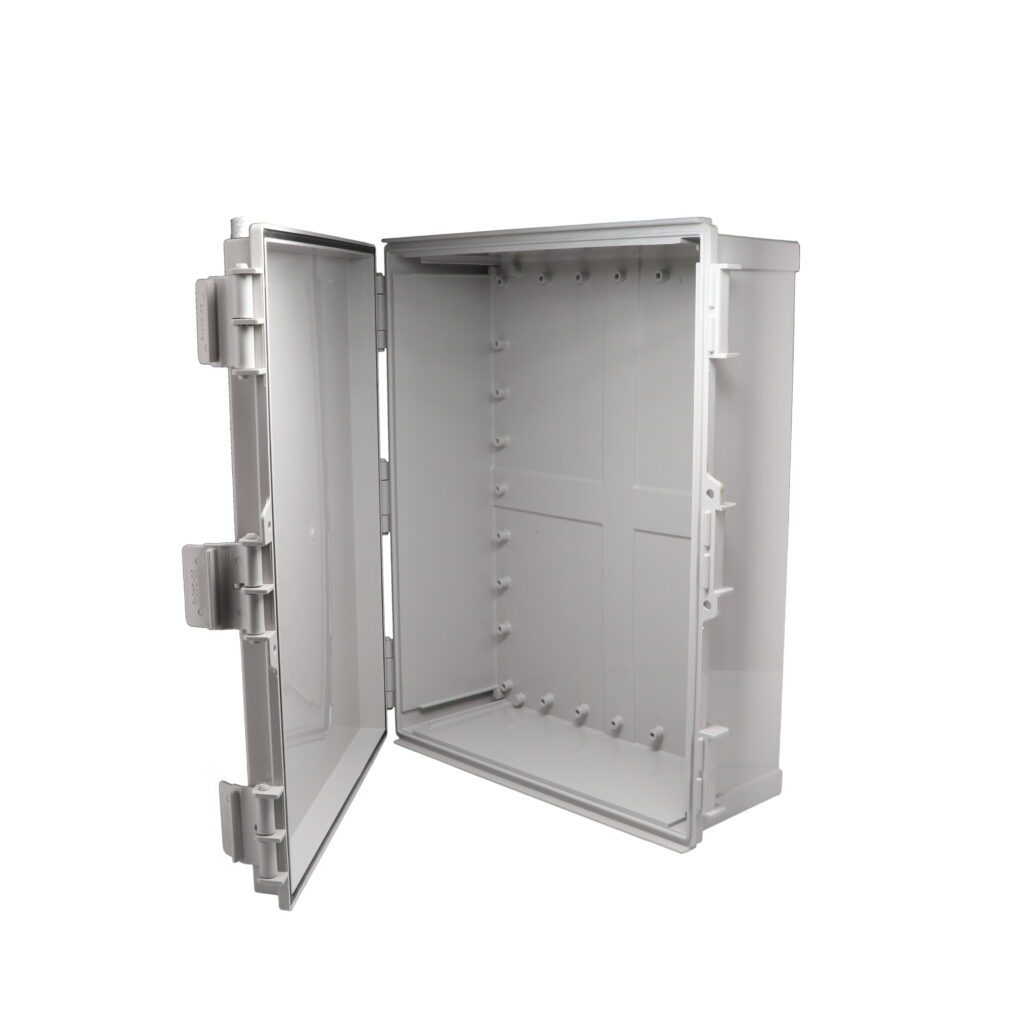
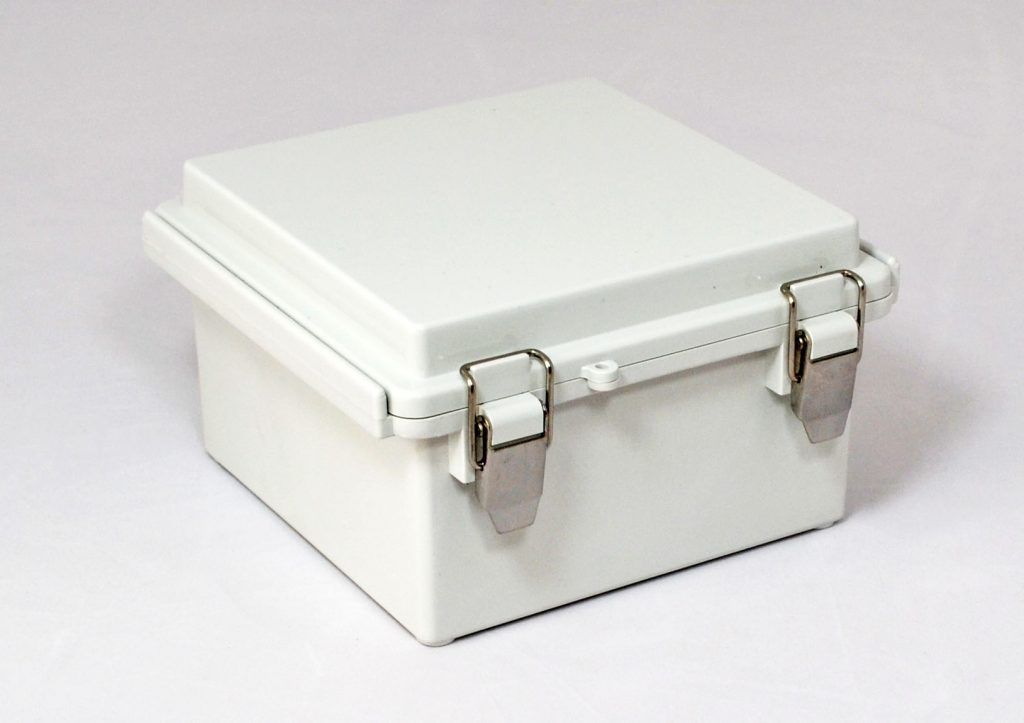
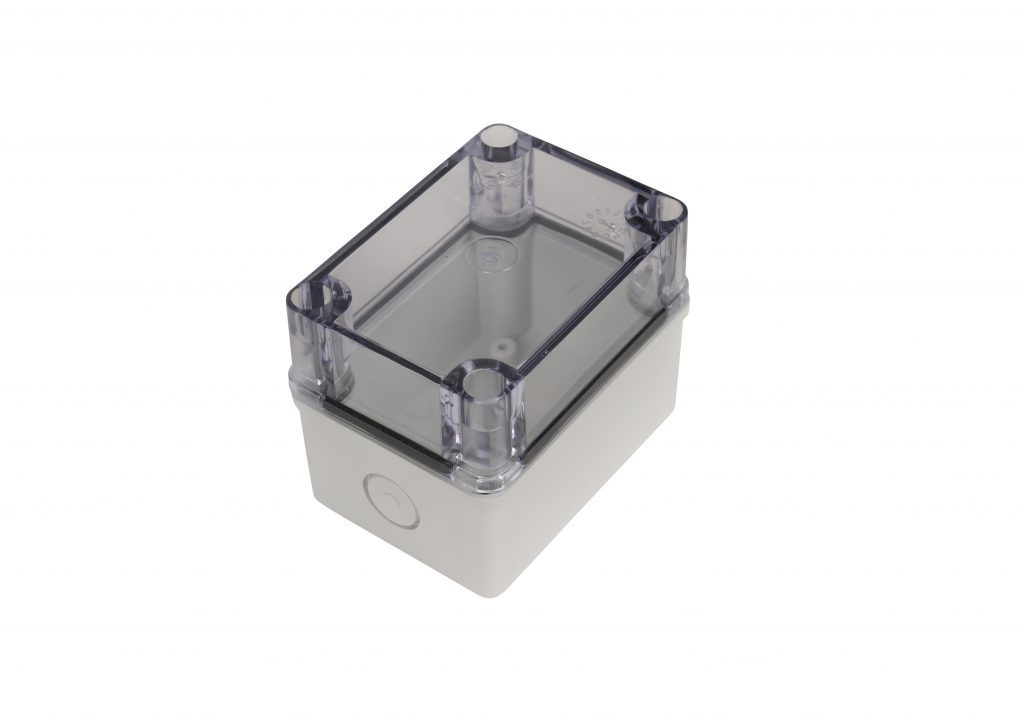
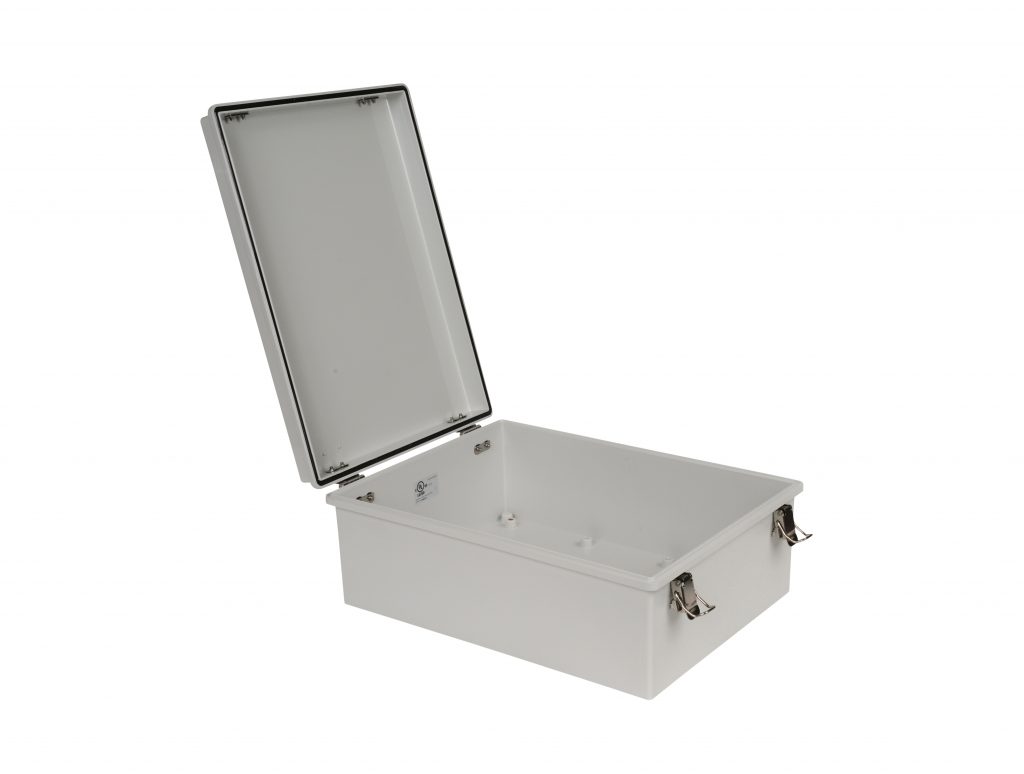
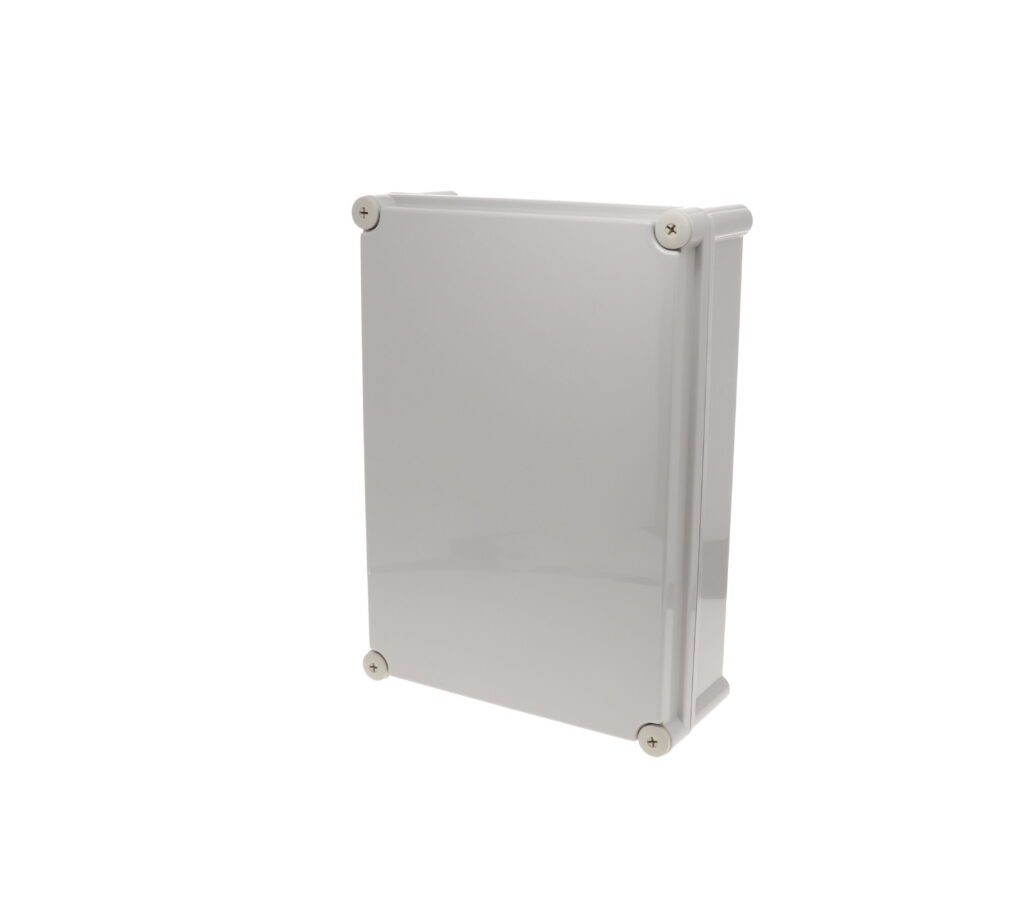
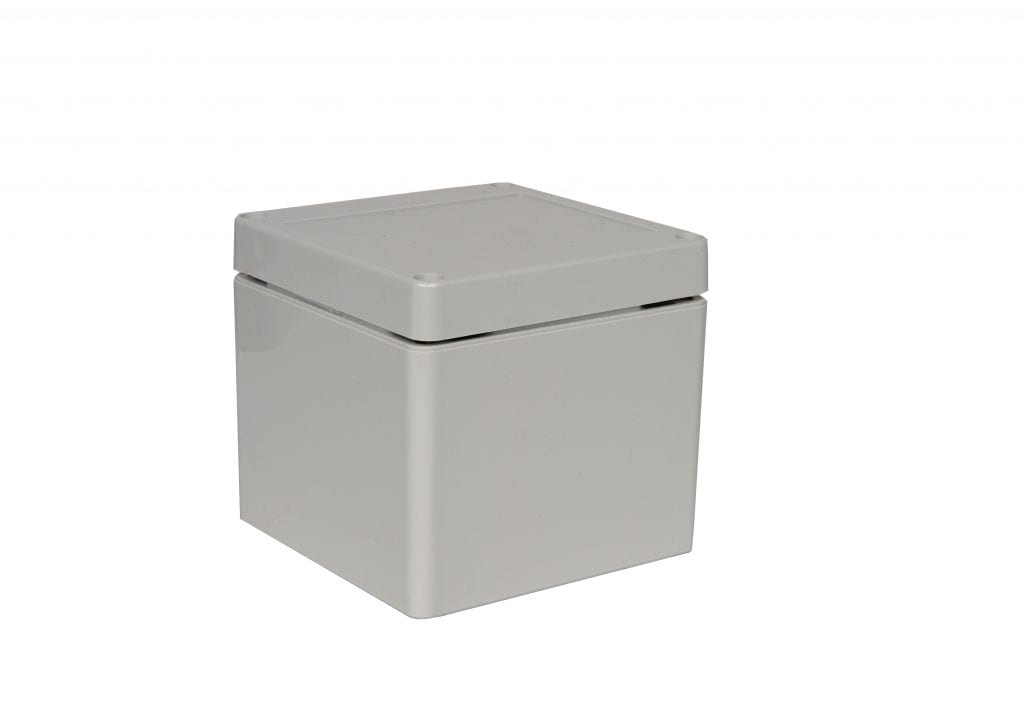
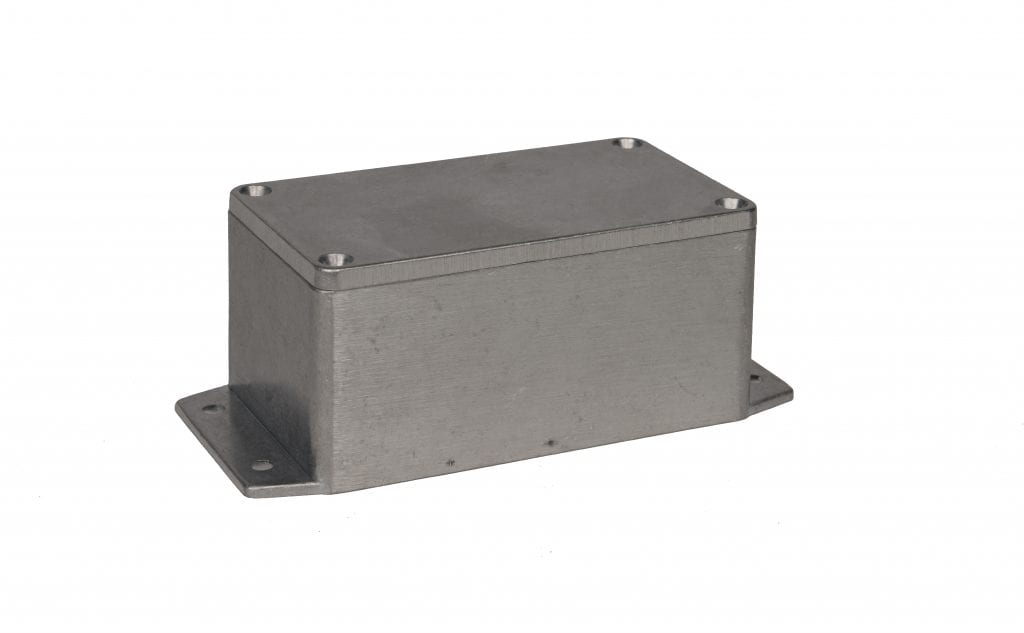
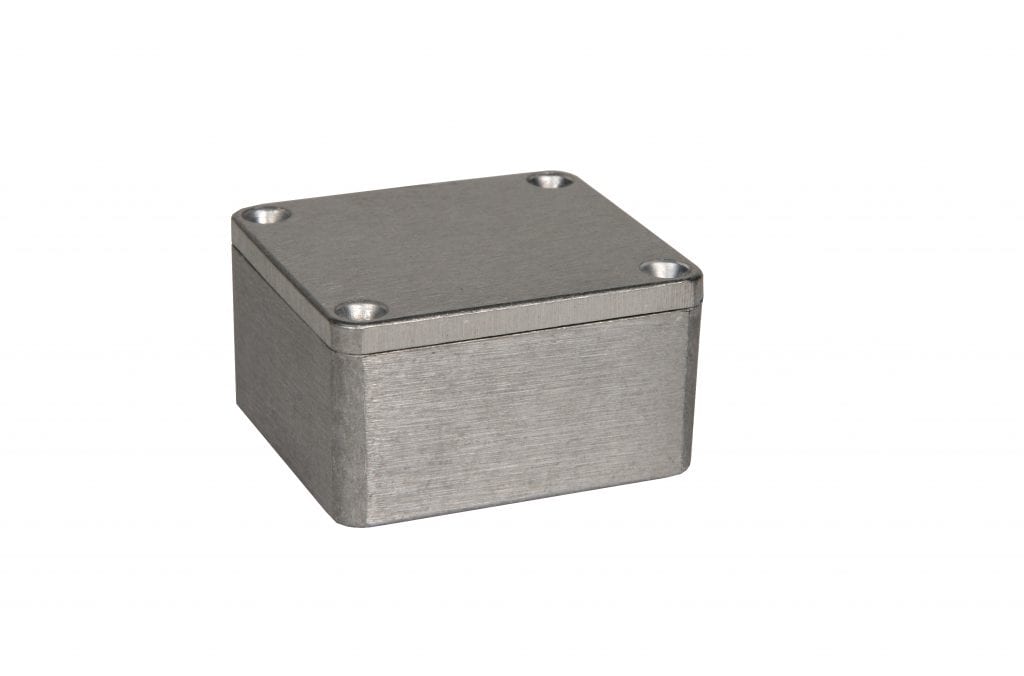
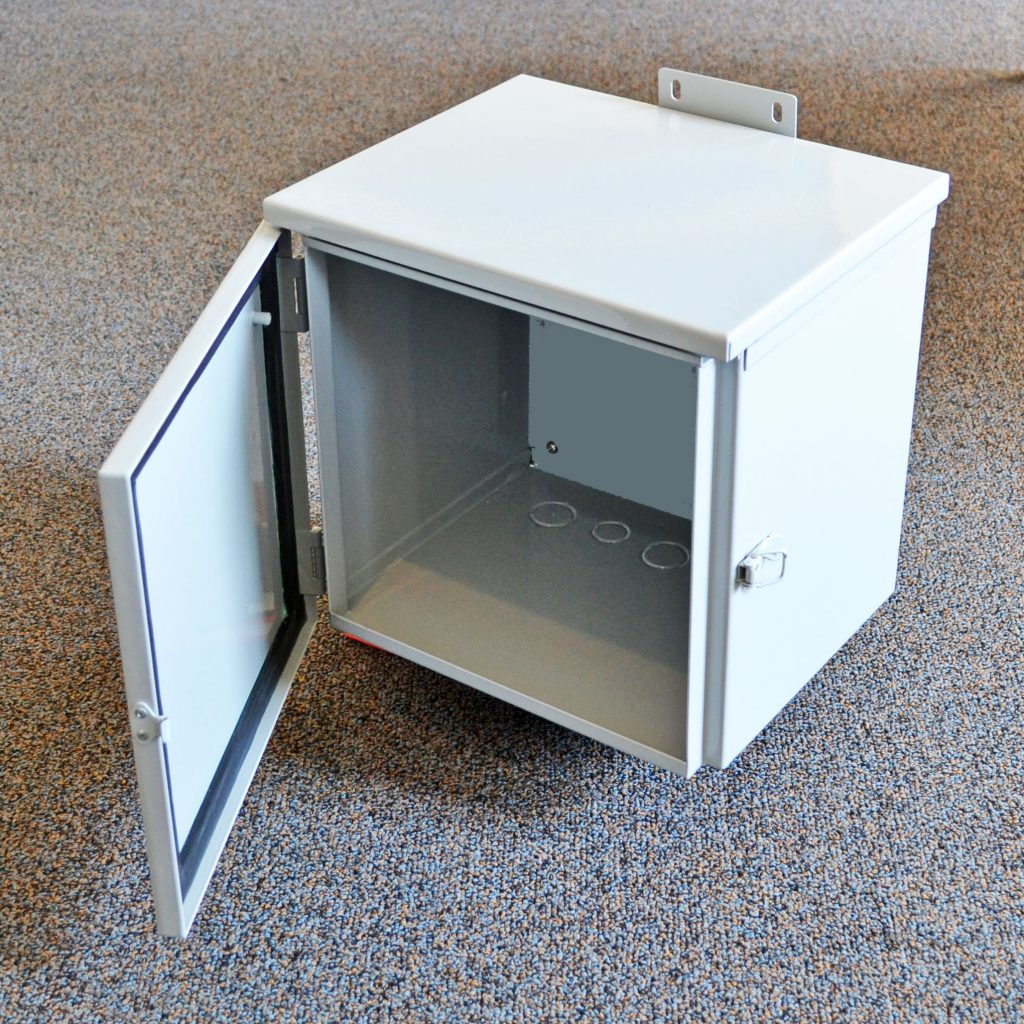
Choosing an electrical enclosure starts with the environment it has to survive and the equipment it has to hold. Bud Industries, Inc. carries one of the broadest lines in the category, with more than 3,200 standard electrical enclosures in plastic, steel, aluminum, stainless, and fiberglass, from small hand-held boxes through junction boxes to floor-standing cabinets. More than 90 percent of the line ships the same day it is ordered, and most in-stock enclosures can be modified to your cutout layout in only 5 days with no expedite surcharge. Use this page to understand the category, then jump straight to the product series, sibling category, or protection rating that fits your build.
An electrical enclosure is the protective housing around electrical or electronic equipment. It does two jobs that pull in opposite directions: it helps protect equipment while sealing the working environment it, and it seals the equipment’s sensitive or dangerous parts away from the people nearby. Where a given enclosure lands between those extremes, from a sealed outdoor cabinet to a simple ventilated indoor cover, is most of what separates one product from the next.
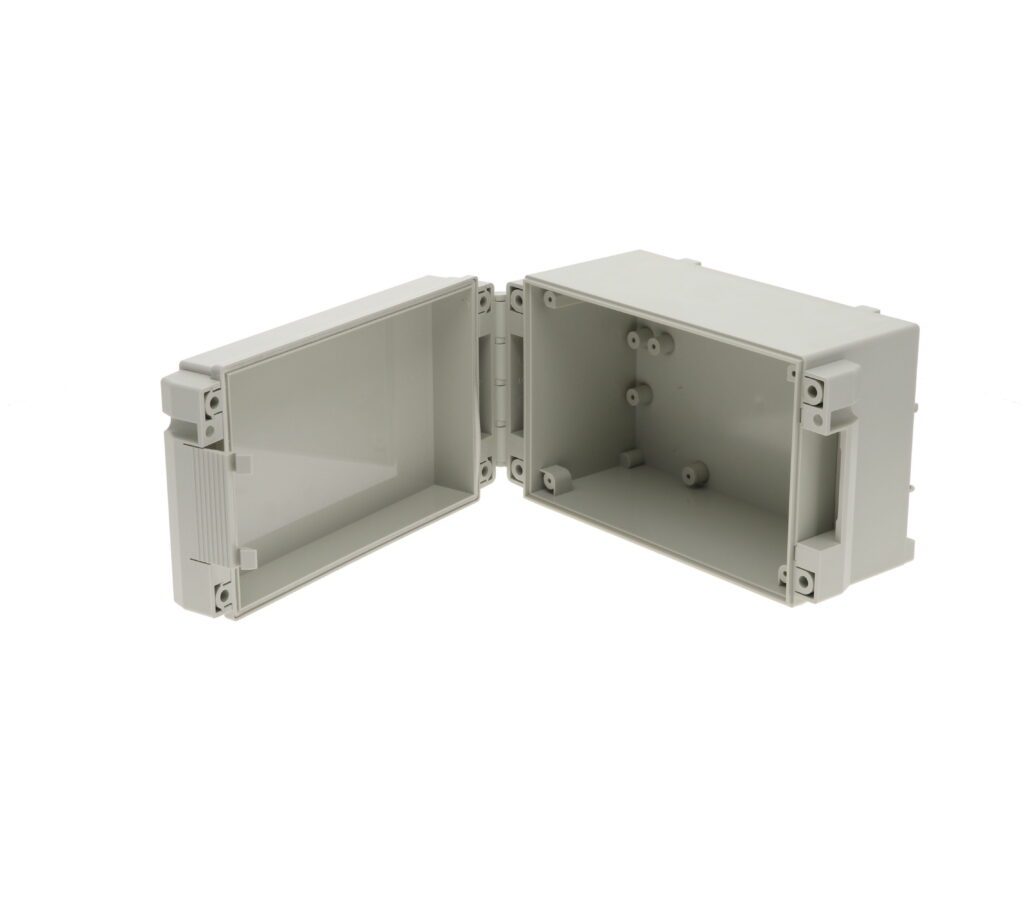
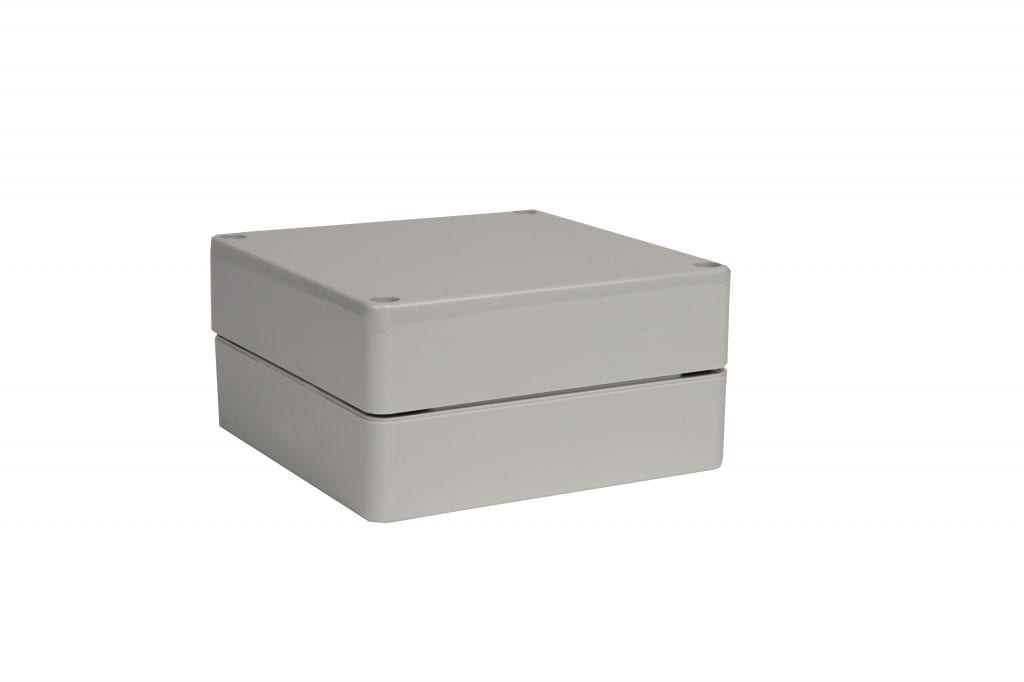
The smallest versions are usually called an electrical box, a term that tends to describe a single-purpose housing such as a junction box or a compact project box. As the size of the equipment grows, so does the vocabulary: panel enclosures, wall-mount enclosures, and full cabinets all sit under the same electrical enclosure umbrella. Whatever the size, the enclosure is where mounting, labeling, and service access get designed in. This is why it pays to specify the enclosure early in the design cycle rather than treat it as the last line on the bill of materials.
Because the options are so broad, it helps to think in terms of the categories that engineers actually shop: by material, by application, by protection rating, and by size.
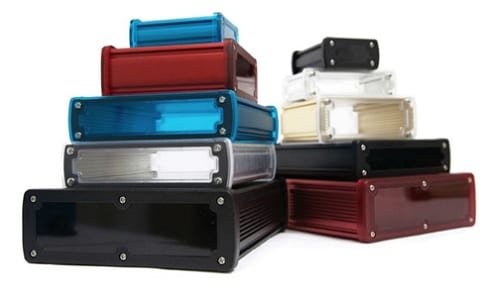
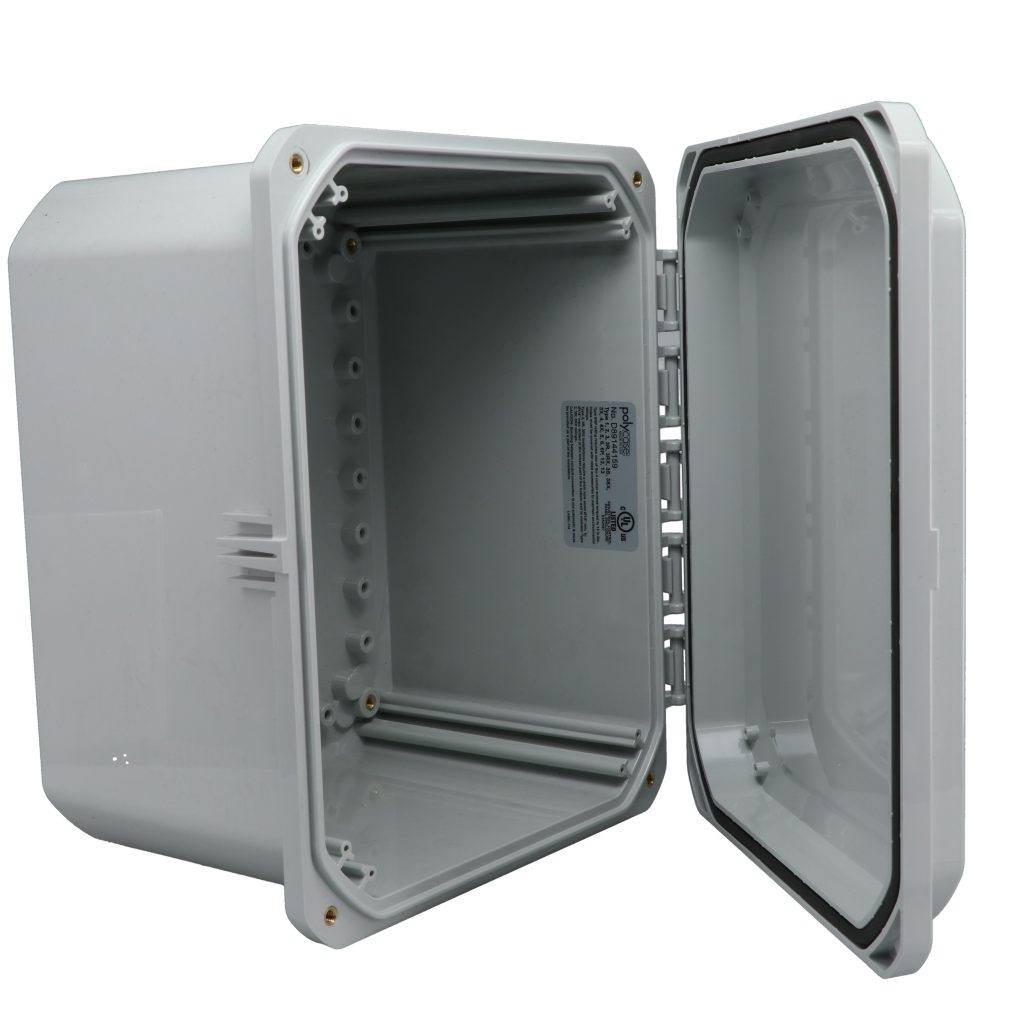
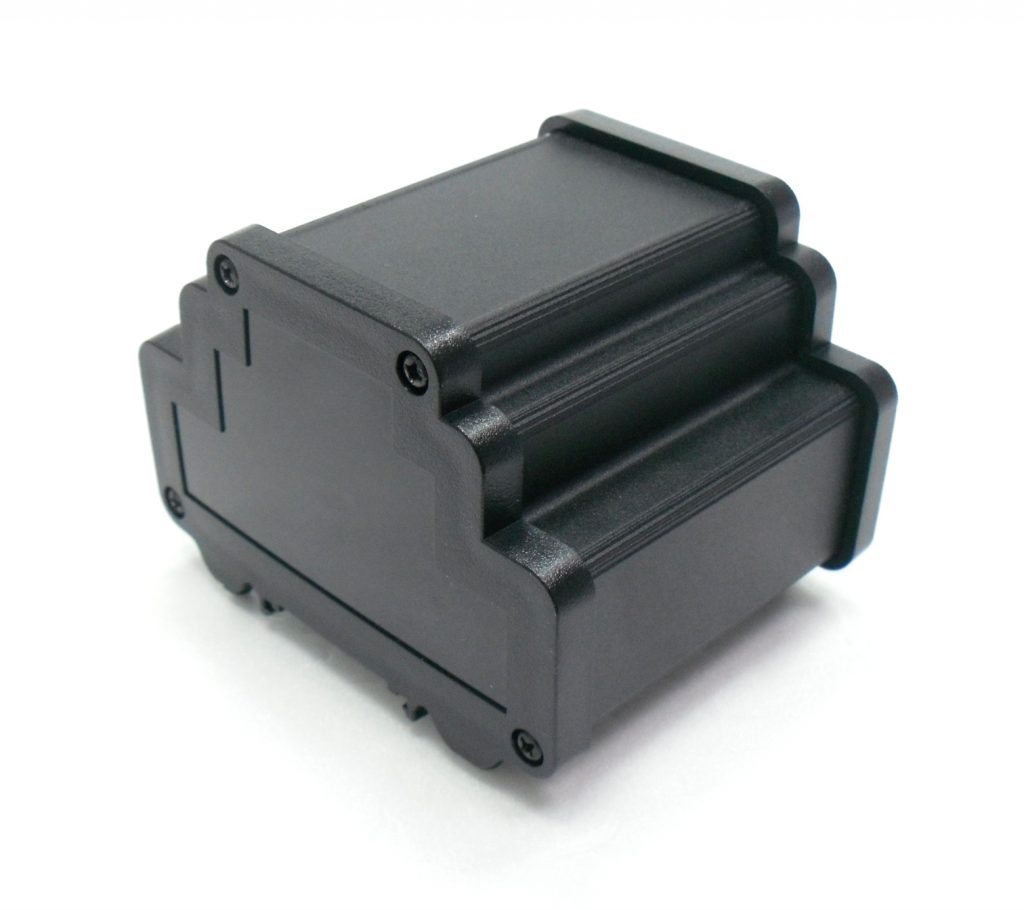
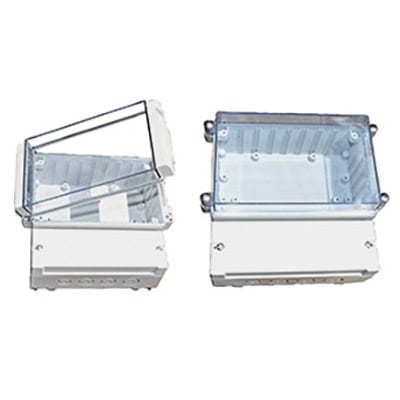
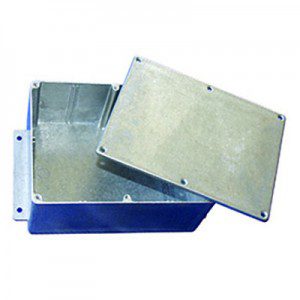
When comparing materials electrical enclosures use, engineers should select the right material, ratings, and features to meet electrical codes and industry standards.
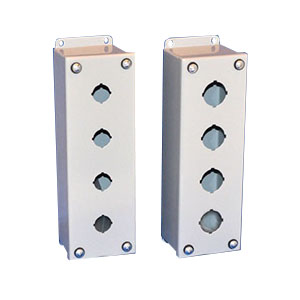
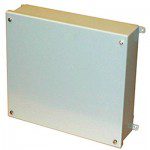
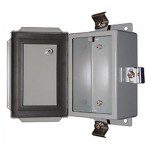
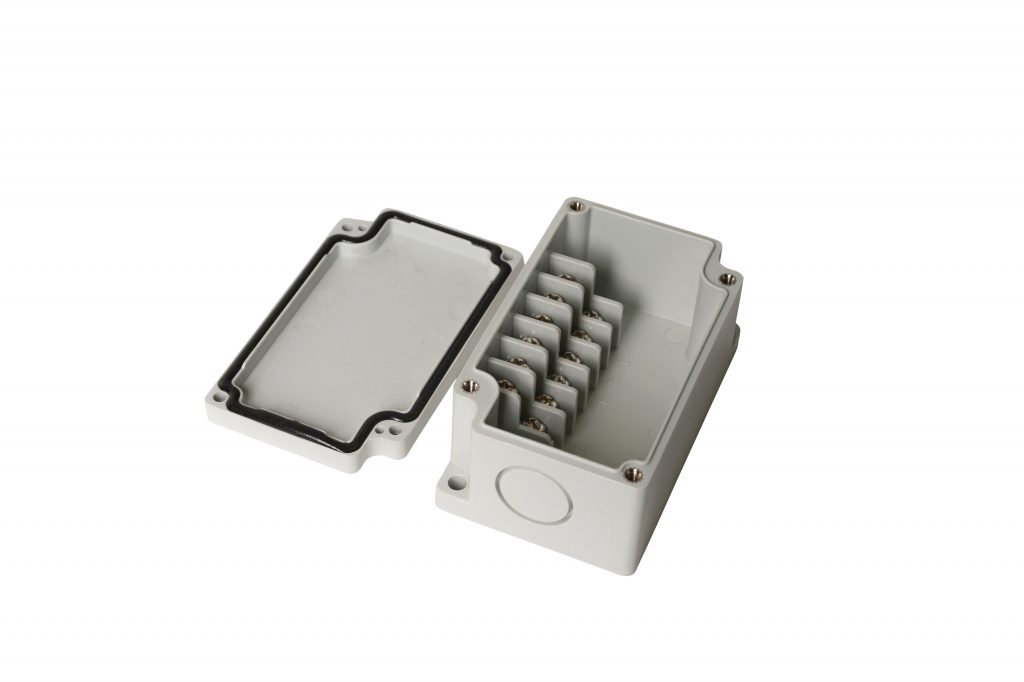
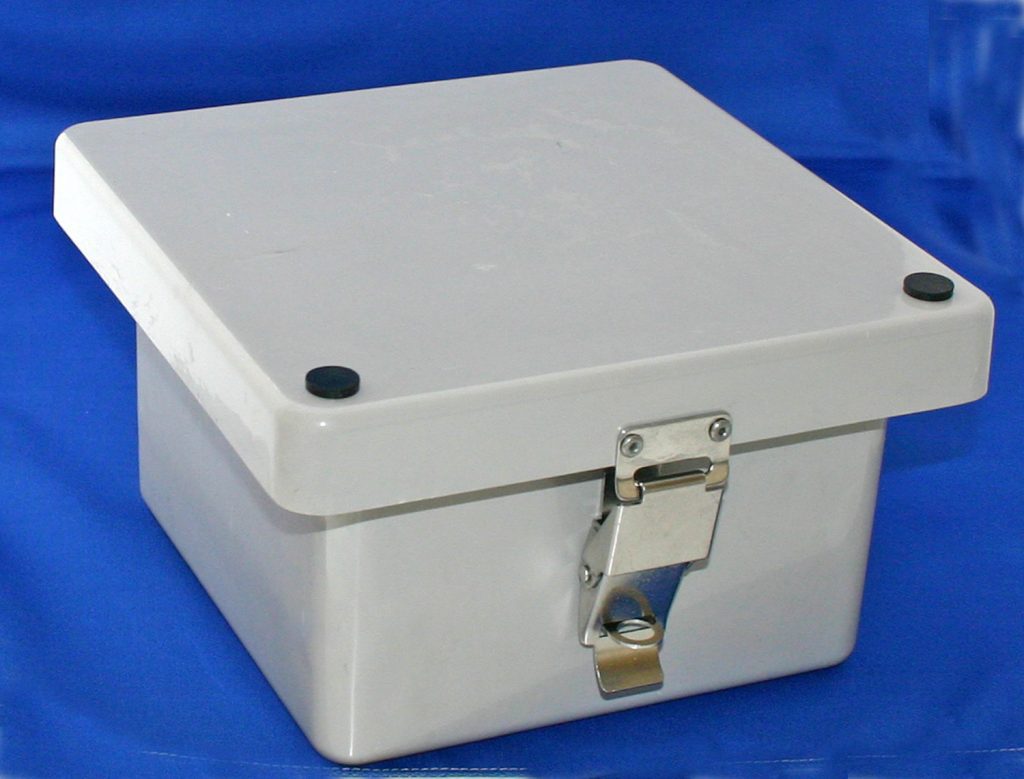
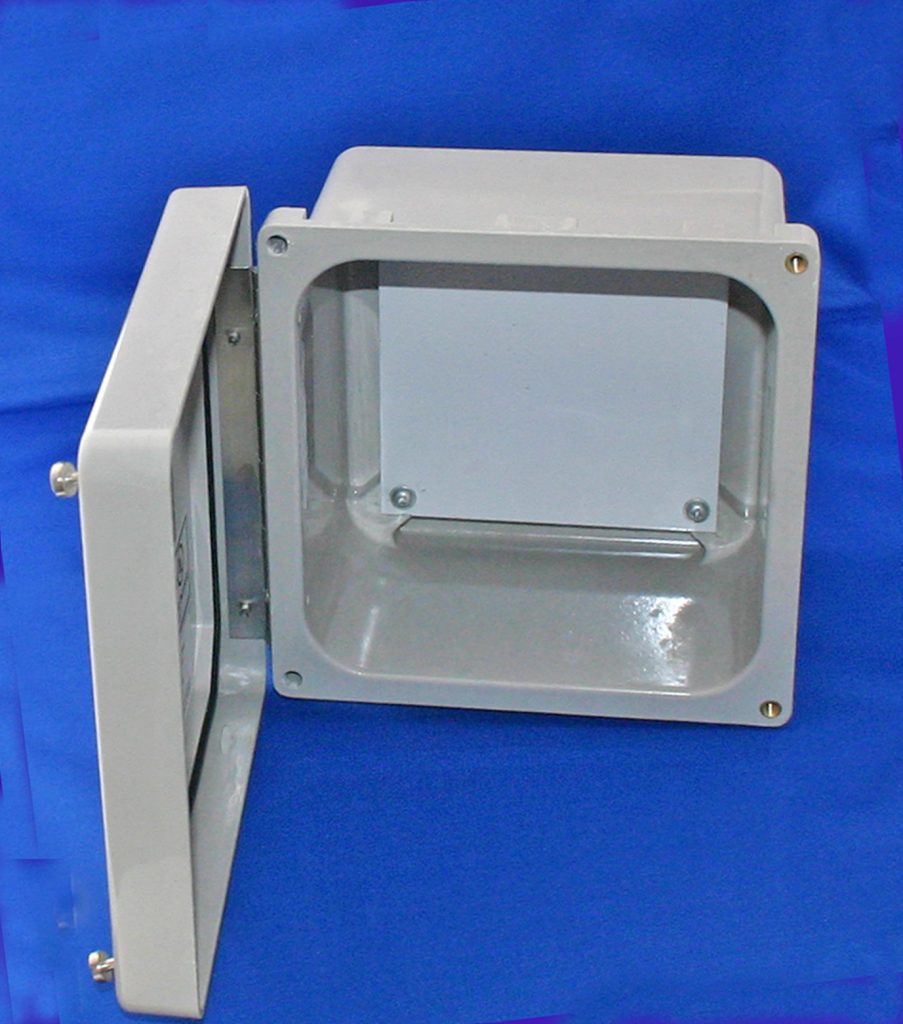
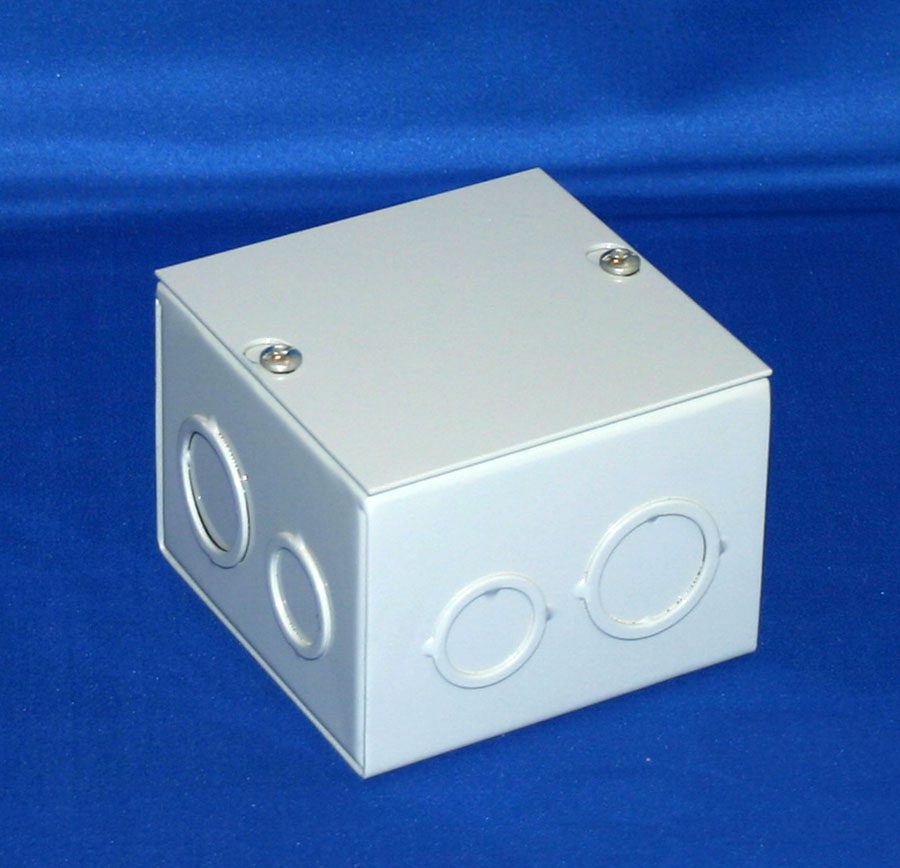
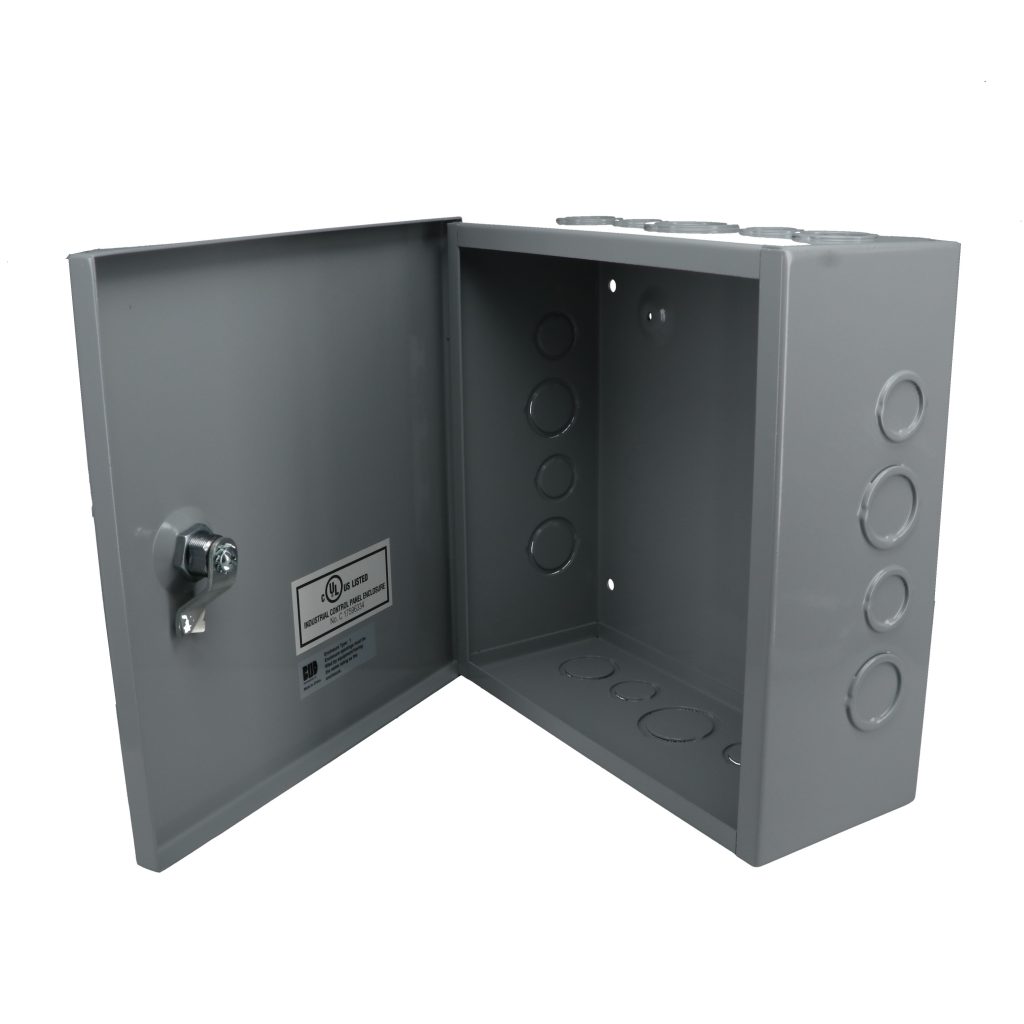
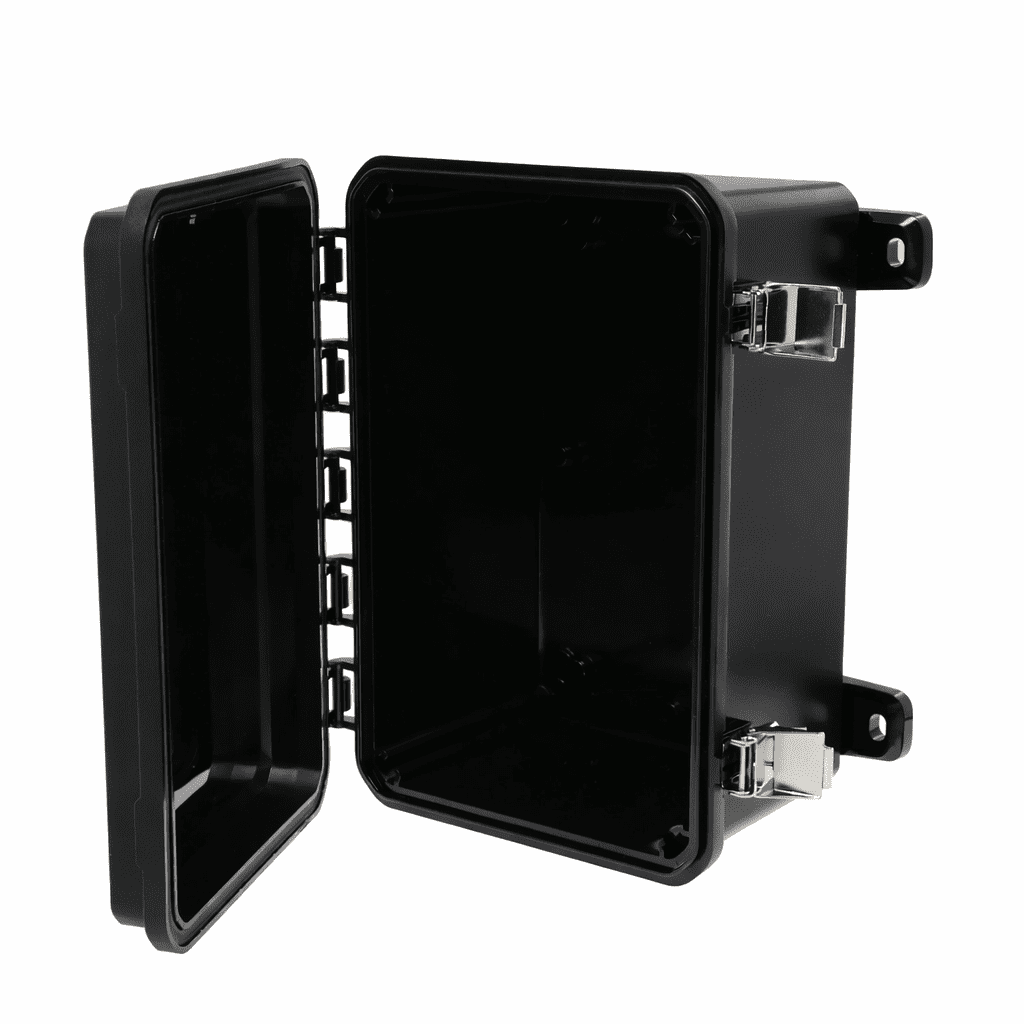
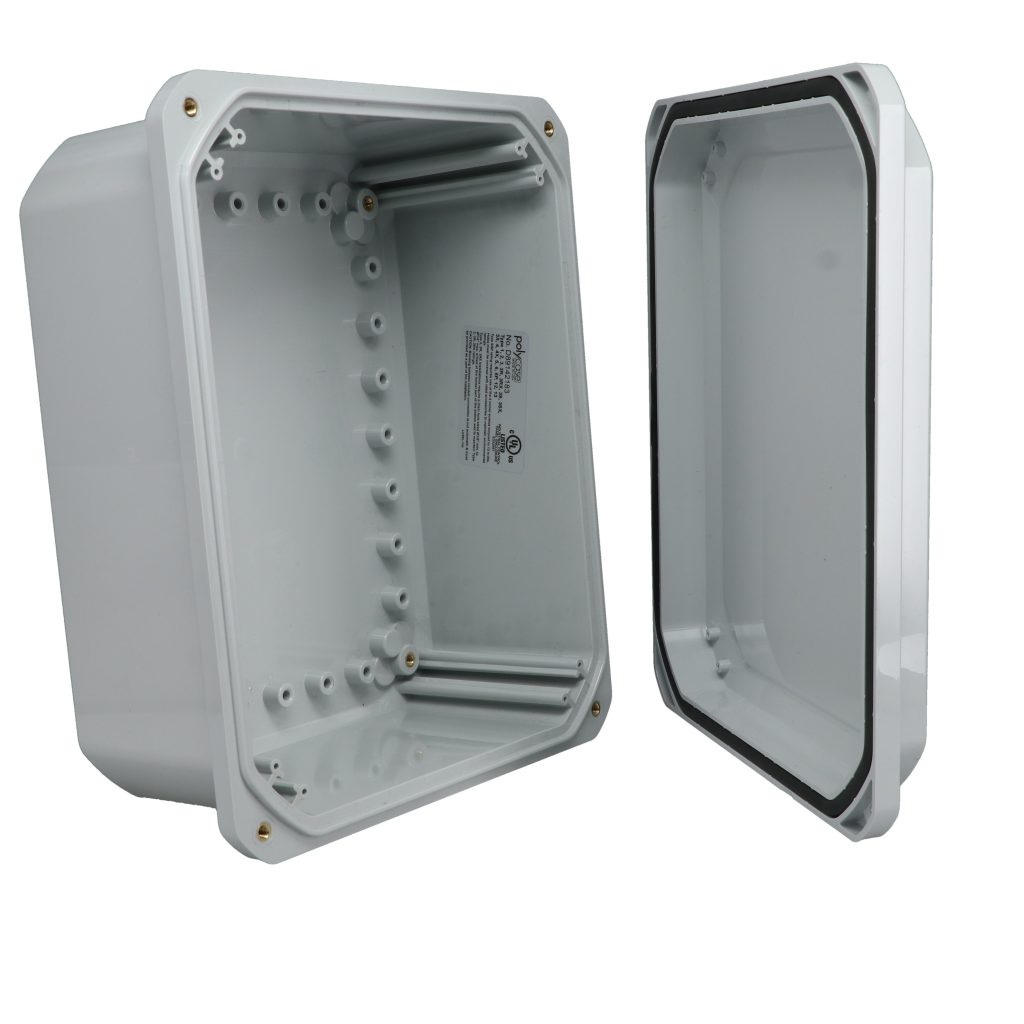
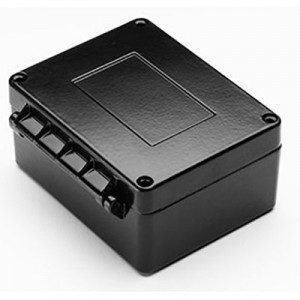
Electrical enclosures applications. Some enclosures are purpose-built. Electrical enclosures are widely used across industries such as manufacturing and telecommunications. Junction boxes house wiring connections and come with convenient knockouts. Push-button and console boxes carry operator controls. We offer enclosures fitted with terminal connections and even a fiber optic cable box. The list is too long to cover here.
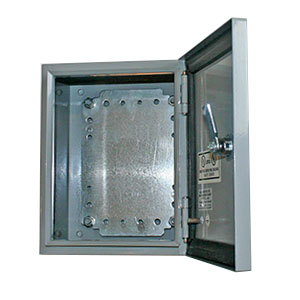
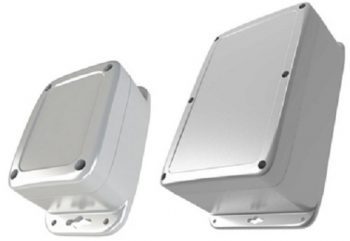
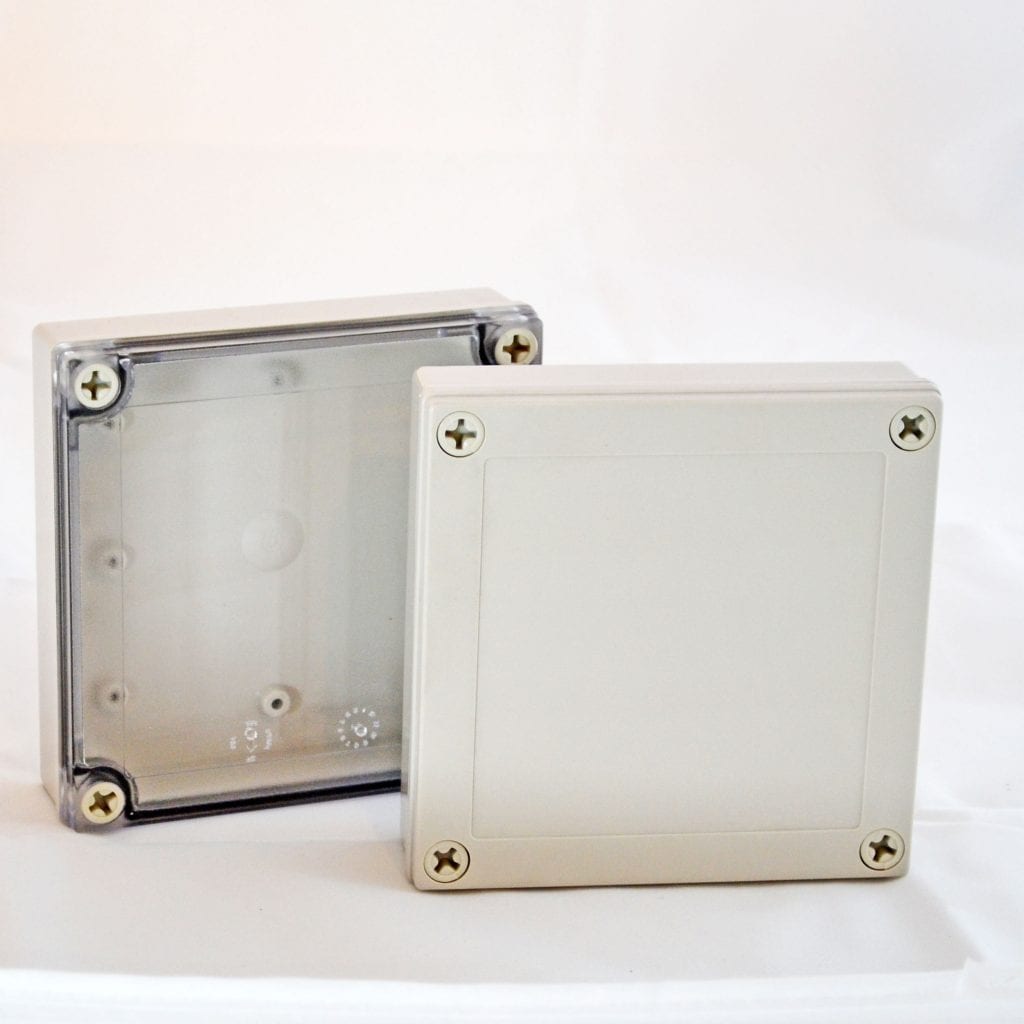
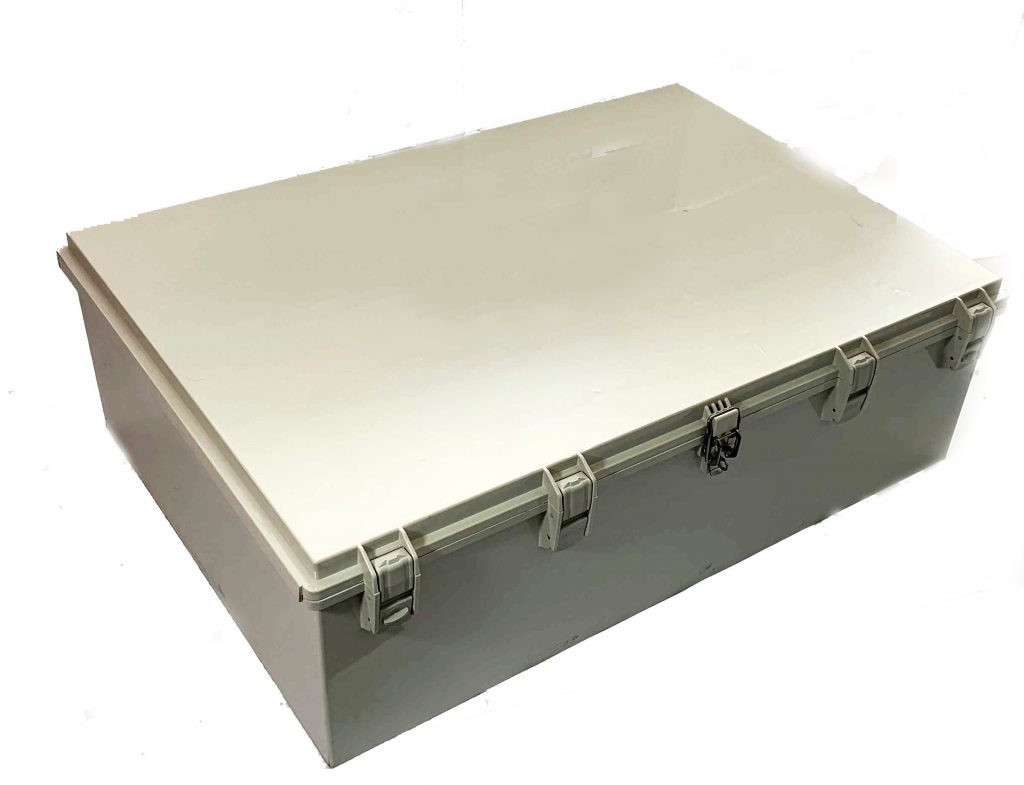
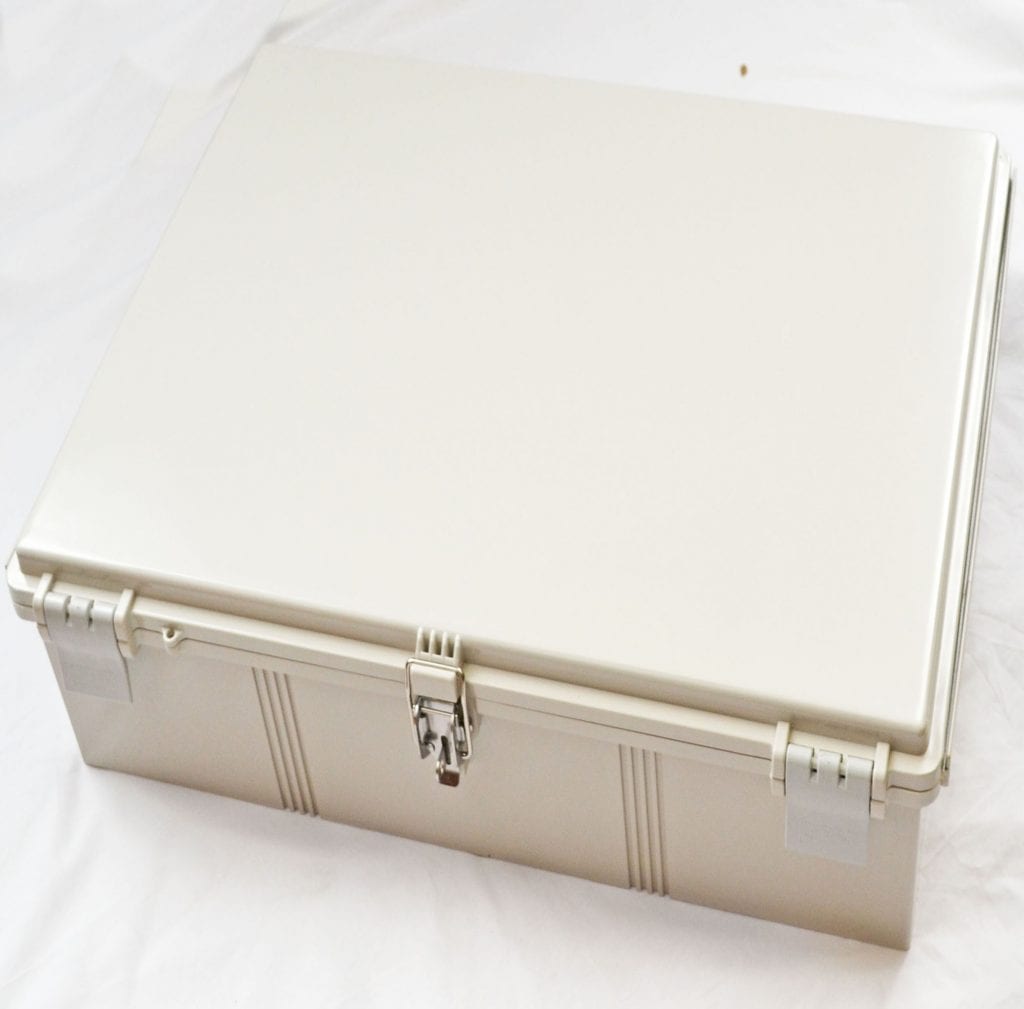
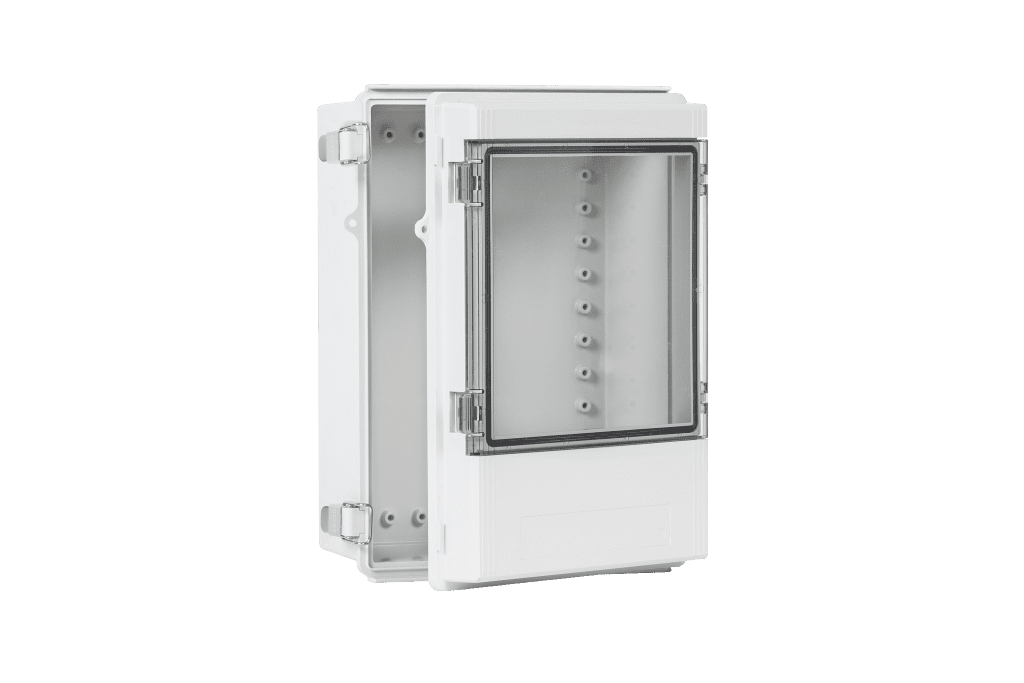
Outdoor electrical enclosures and waterproof enclosures are sealed and weather-rated for exposed installations. Cabinets and racks hold stacked equipment. Choosing by job first often narrows the line faster than choosing by material.
Protection rating. Every one of our NEMA- or IP-rated enclosures carries specific ratings that state exactly what contaminants it keeps out, from a basic indoor NEMA 1 to a dust-tight and submersible IP68. The rating, not the material, is what proves the enclosure will survive its environment, so it is the spec to lock down before you compare individual models.
Enclosure size. Most series of our electronic enclosures come in a wide variety of sizes, allowing you to specify the exact enclosure you need. By the way, Bud offers a convenient and unique way to browse the website by enclosure size and type. Our Product Selector Tool lets you see all the enclosures in a given size. From there, you can narrow down your selections by material, application, and rating. This ensures that you don’t overlook relevant products during your research.
Yes, provided the enclosure is rated and built for it. An indoor electrical box will fail outdoors once water finds its way past an unsealed seam, so outdoor installations need a sealed, weather-rated enclosure chosen for the specific exposure rather than a general-purpose box pressed into service.
The rating is the shorthand for that exposure. NEMA 3R covers falling rain and sleet for sheltered outdoor gear. NEMA 4 adds protection against hose-directed water (factory washdown) and windblown dust. NEMA 4X, roughly equivalent to IP66, layers in corrosion resistance for coastal, chemical, or washdown sites. For equipment that may be temporarily submerged, NEMA 6 or 6P, or an IP67 or IP68 rating, is the target.
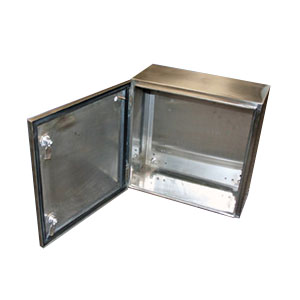
Material backs up the rating: UV-stabilized polycarbonate, fiberglass, and stainless steel weather the outdoors far better than untreated plastic or standard steel.
For exposed installations, start from the outdoor enclosures and waterproof enclosures categories, and then see the NEMA enclosure guide for how each rating is tested.
Once you have your material and rating narrowed down, click on “Check Stock” for that product to see live distributor inventory through our online TrustedParts tool.
After you are certain of your selection, request a STEP file from us and drop the model straight into your CAD.
Most electrical boxes need cutouts for power, signal, displays, or switches. It is faster and safer to have the factory make the modifications than to do it yourself or through a job shop. Send us a drawing or even a rough sketch: Bud modifies most in-stock electrical enclosures in only 5 days, two to three times faster than the industry standard.